Platform Evangelism & Advising
Apple iAd
2012

Vertical
Geography
Media Type(s)
Tags
Credits
Experience Design Lead
Ad Platform
Client Brands
- PepsiCo, Macy's, Lay's, Procter & Gamble, Clarins, American Express, Laika Entertainment, and others
What it was
iAd was Apple's premium ad platform, running on iOS, iPadOS, tvOS, and the iTunes ecosystem. Brands paid a premium because the inventory carried Apple's trust and the units could do things nothing else in the mobile-ad market could do at the time: full-screen takeovers that opened mini-experiences, deep platform integrations, custom interactions tuned to a single device family.
Based in New York City, I was one of three creative technologists embedded in Apple's iAd team. The role was twofold: advising the global brands buying inventory, and the agencies producing the work, on what the platform could actually do; and partnering directly on the build of standout campaigns.
The work
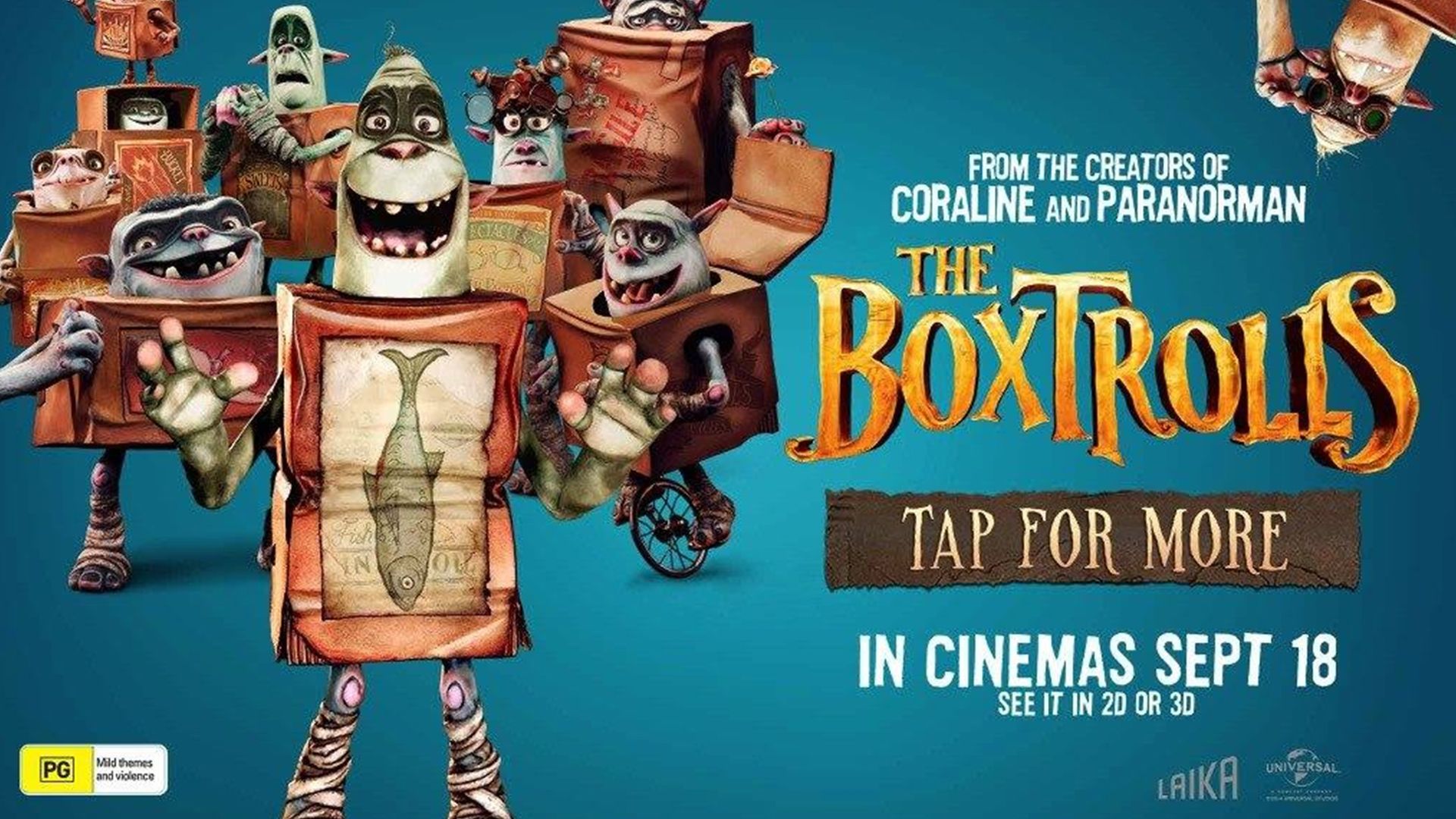
I worked with brand teams and creative agencies on campaigns for brands such as Pepsi, Macy's, GEICO, Lay's, Clarins, Procter & Gamble, American Express, Laika Entertainment, and others. The job was to translate brand intent into iAd's specific creative language, then pull through the engineering side of execution so the unit shipped on Apple's specs and on the brand's schedule.
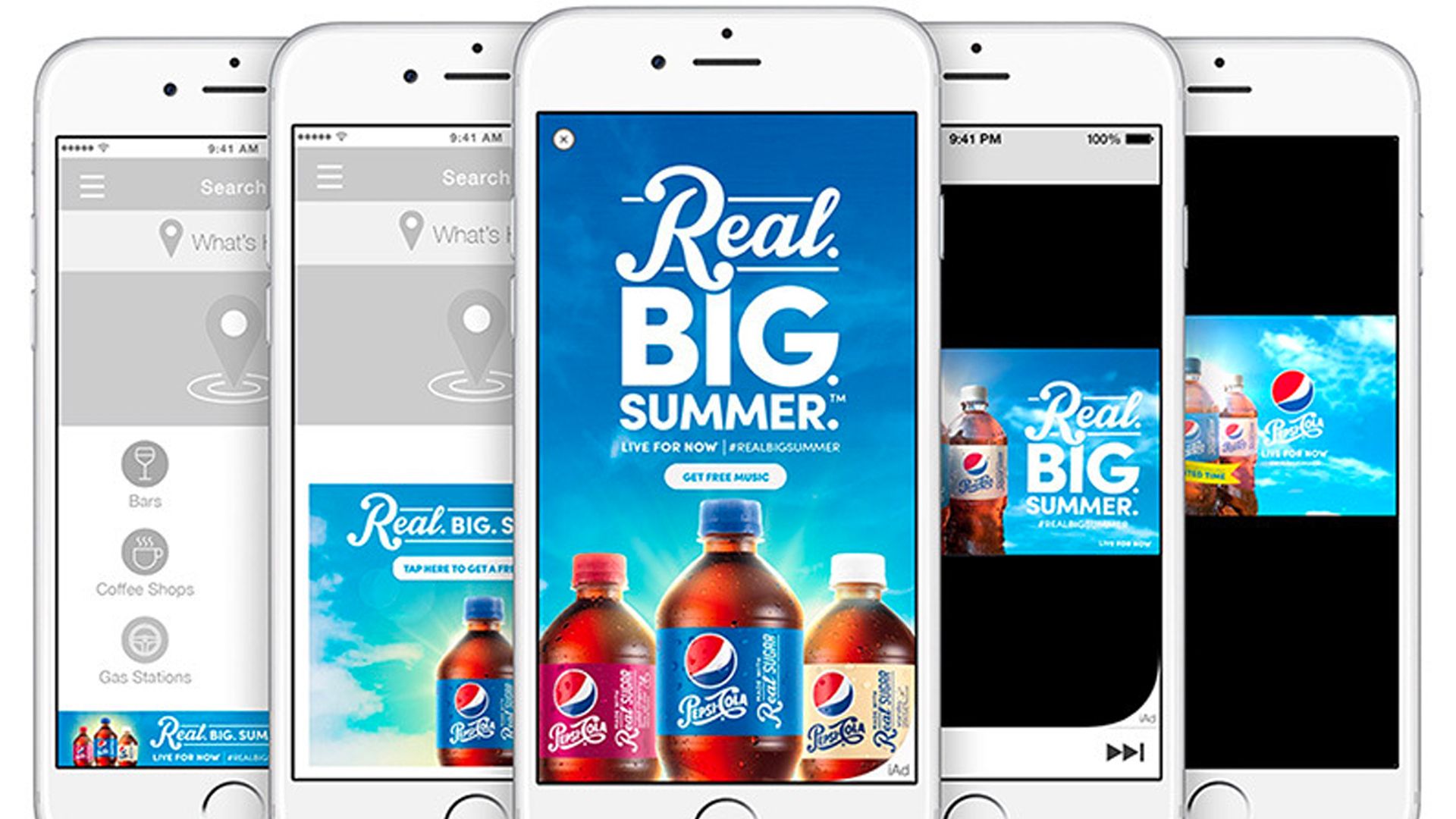
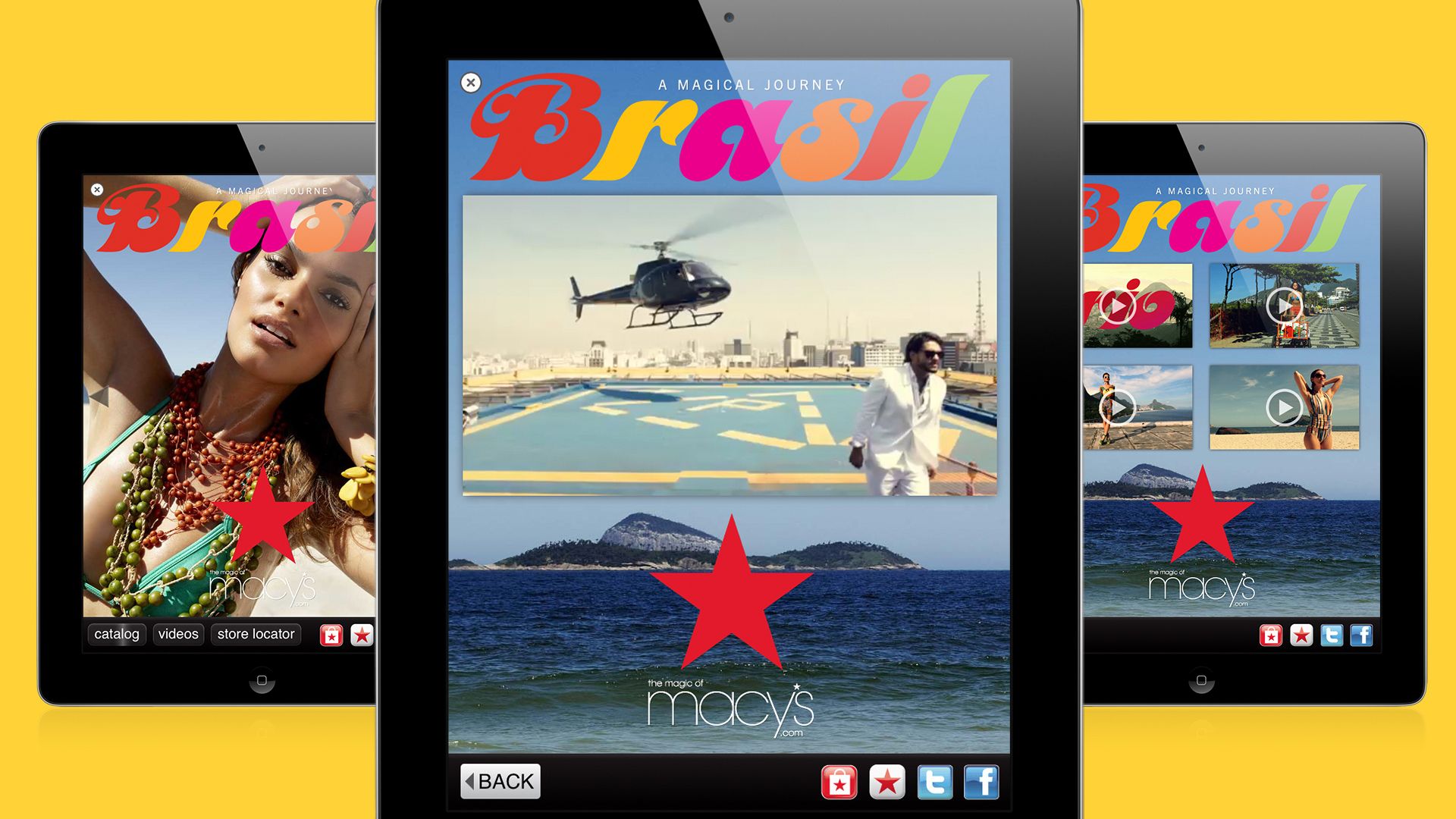
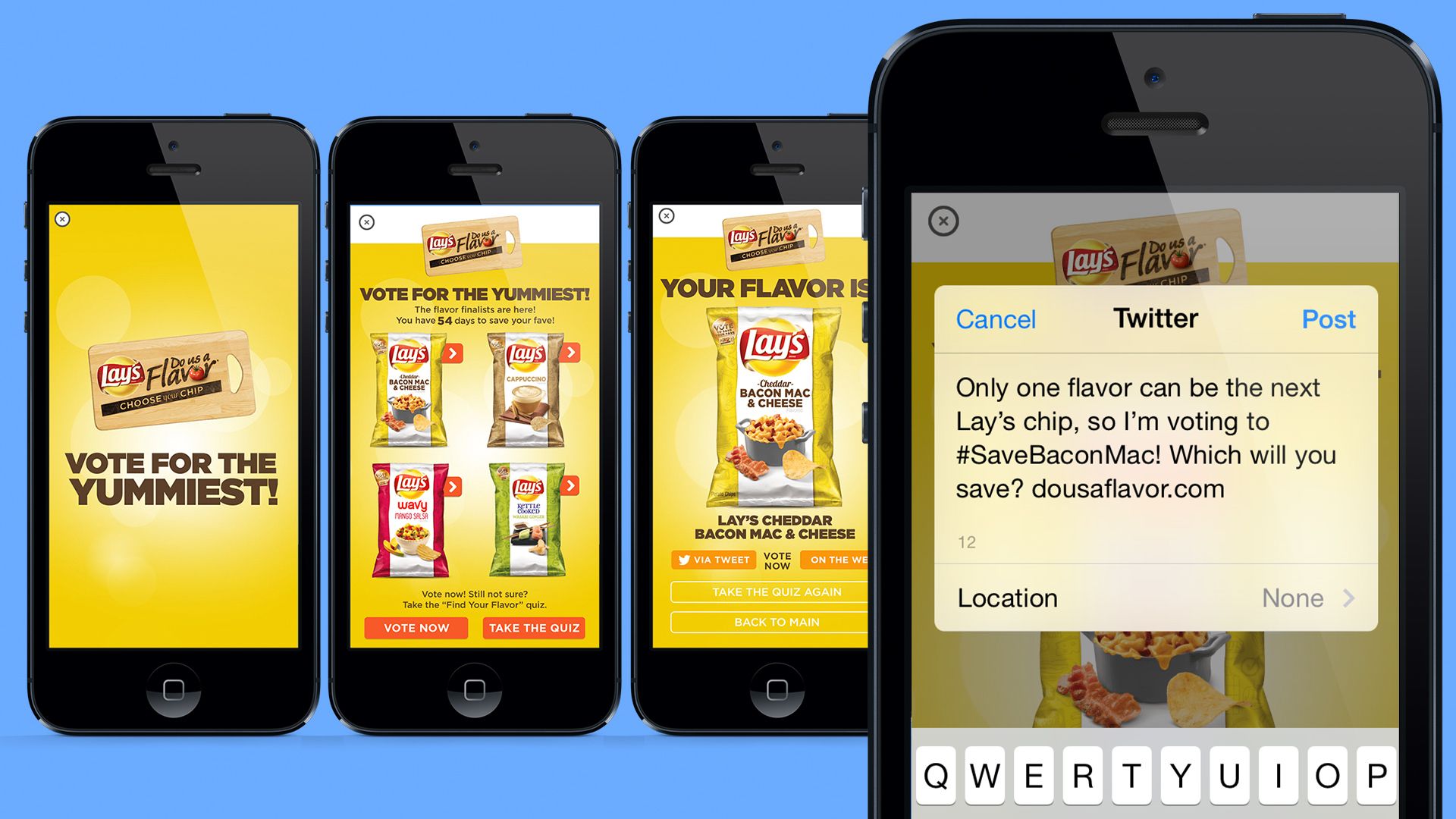
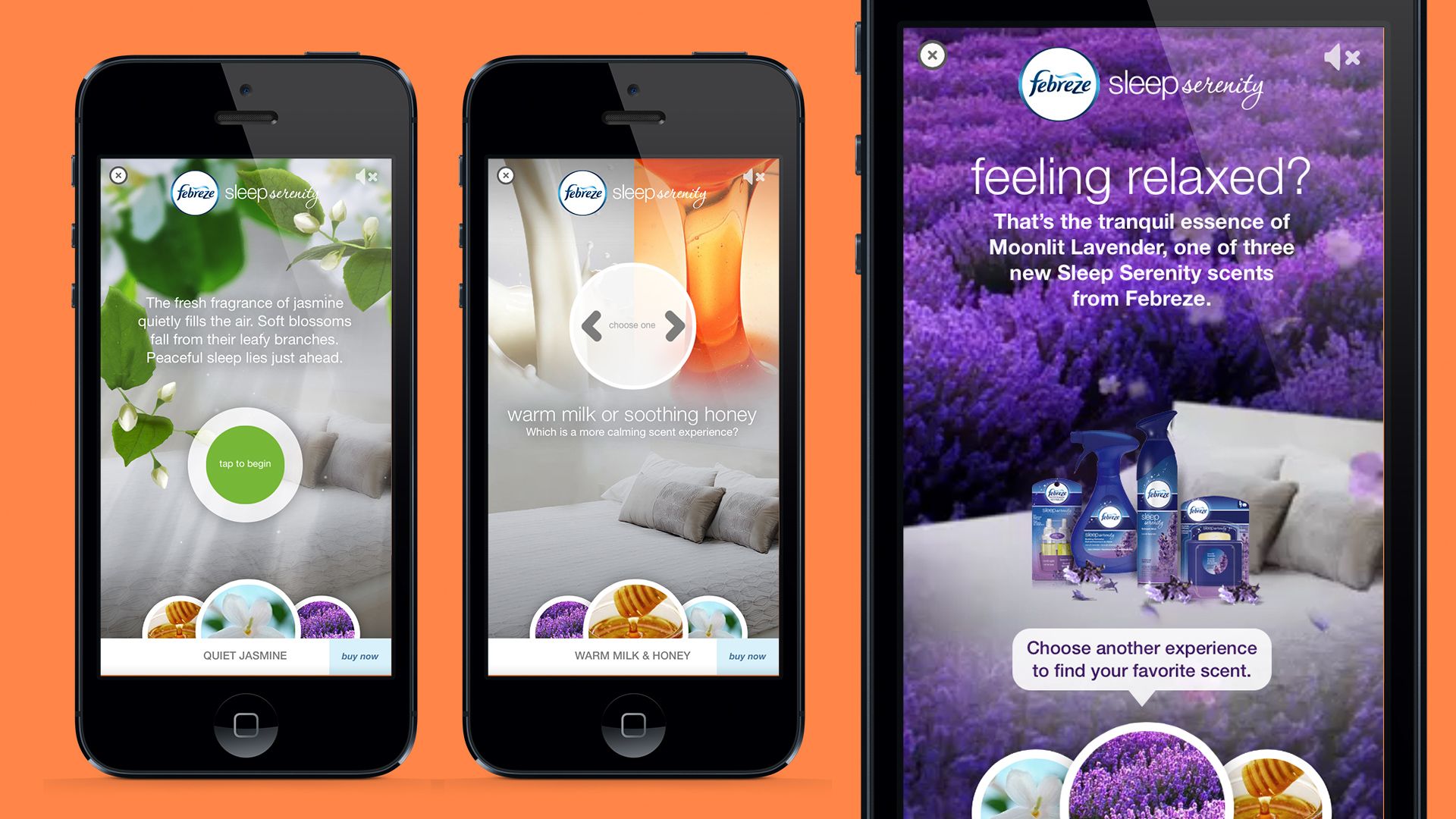
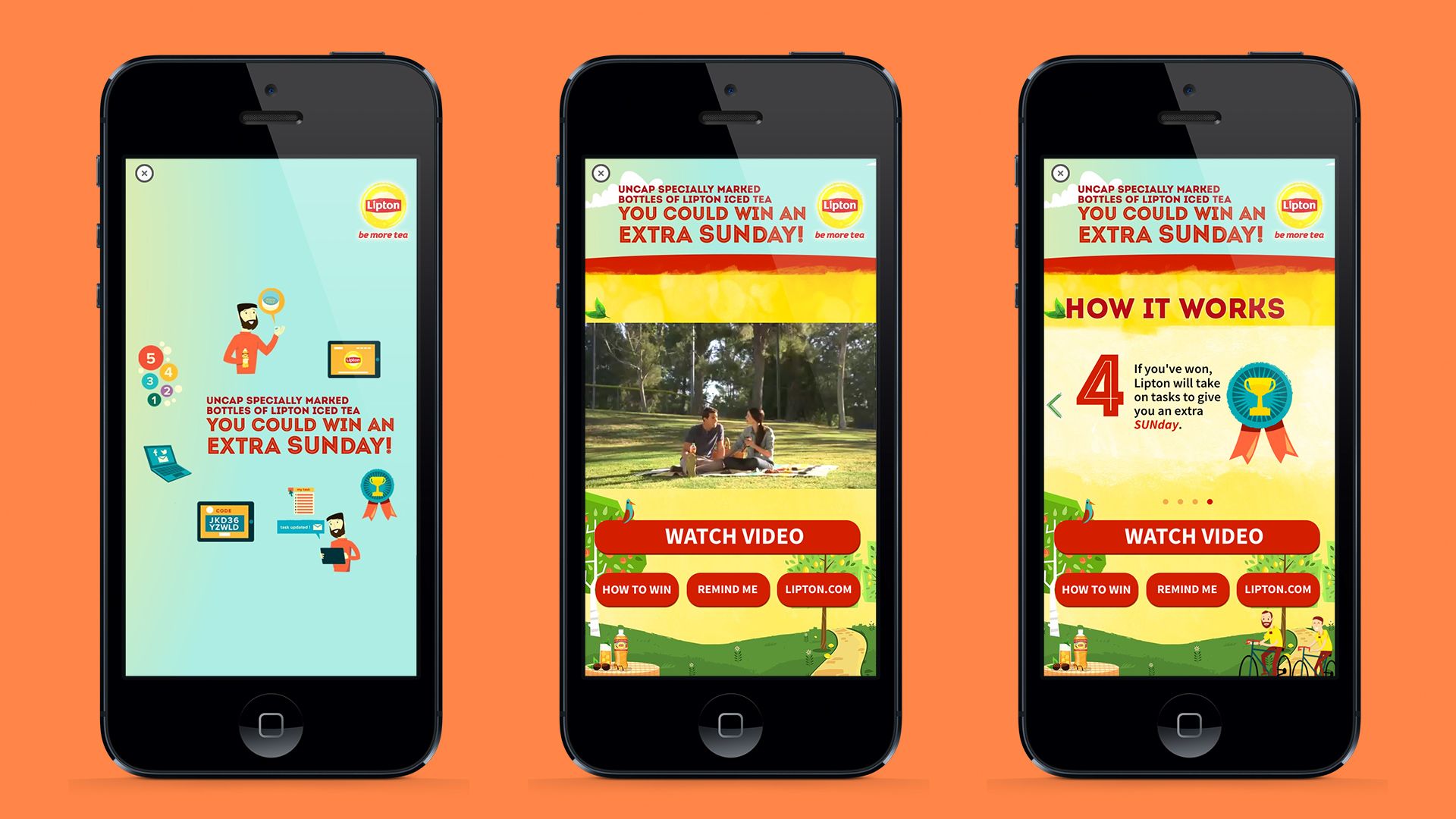
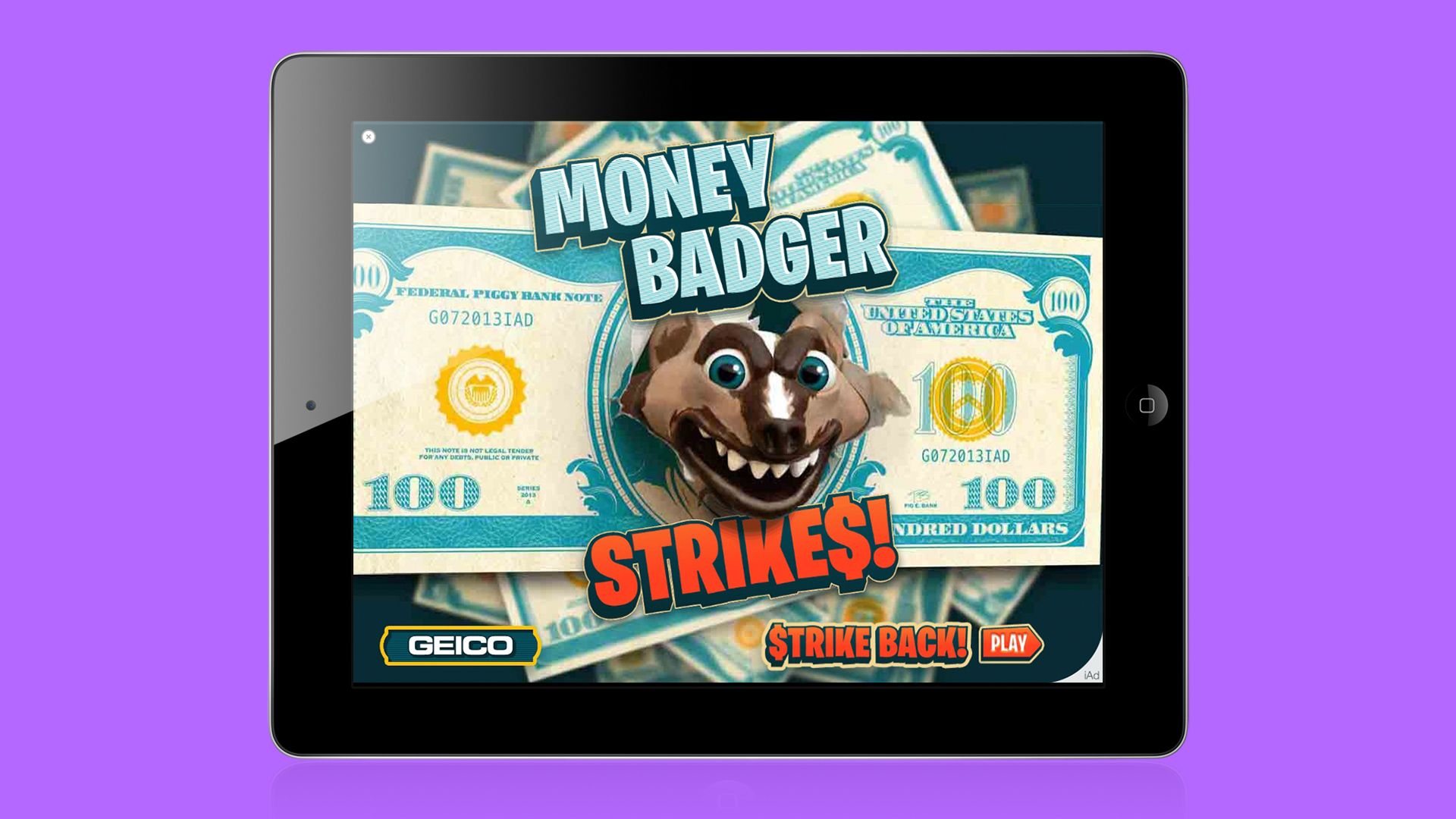
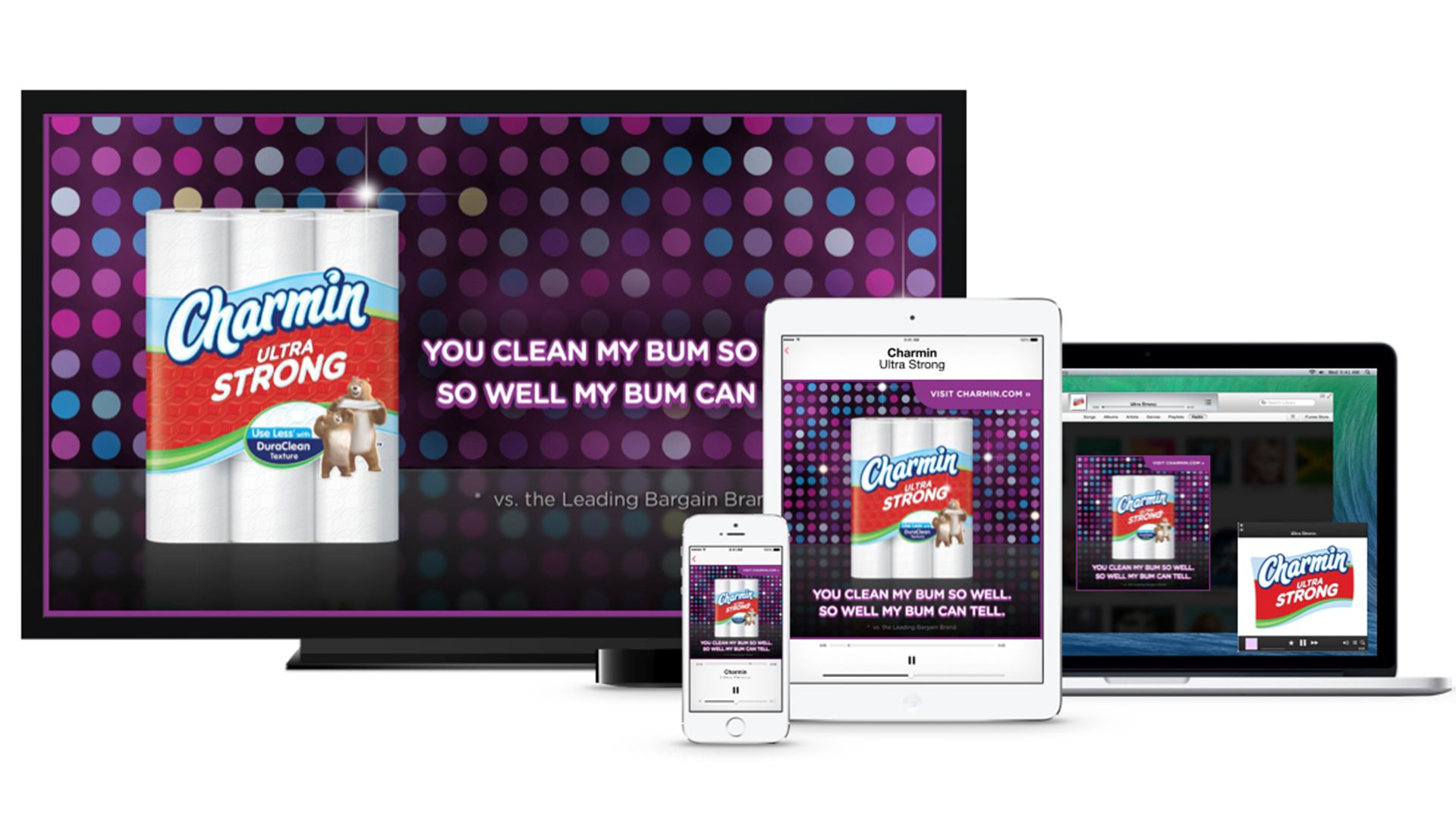
The eight campaigns in the gallery are a sample. Pepsi's "Real Big Summer." Macy's "Brasil." Lay's "Do Us a Flavor." Lipton's "Win an Extra Saturday." GEICO's "Money Badger" claymation campaign. Clarins "Double Serum." Charmin Ultra Strong's multi-platform run. Febreze "Sleep Serenity." Each one had to live up to its brand and earn its place on a premium platform that didn't have to take it.
The model
Mobile advertising in 2012 was already splitting into two paths. One was bespoke craft: hand-tuned units in a closed ecosystem, sold at a premium because they could carry a story rather than just an impression. The other was programmatic: cheap inventory traded by algorithm, optimized for volume and price.
iAd was the bespoke path, and from inside the team you could feel both why brands wanted in and why the model was getting harder to sell. The campaigns that ran on iAd consistently beat their KPIs. That was the point of paying a premium for them. But for every brand that valued a beautifully built one-screen experience, there were nine that wanted ten times the impressions for the same money, regardless of how those impressions felt.
What it taught me
Apple shut iAd down a few years later. The bespoke model lost to the cheap, scalable, programmatic one. That outcome wasn't about iAd in particular. It was an early case of a pattern I've watched repeat in every part of the industry I've worked in since: well-crafted, human-paced work getting outcompeted on price by a generic, automated alternative that's just good enough.
The work I did for Apple was some of the highest-craft advertising any of those brands shipped that year. That's the thing I take with me: how to do that level of work, what it costs to do it, and where in a market it can still earn its keep.
That question is a more important one now than it was when iAd was running. Same dynamic, larger stakes.