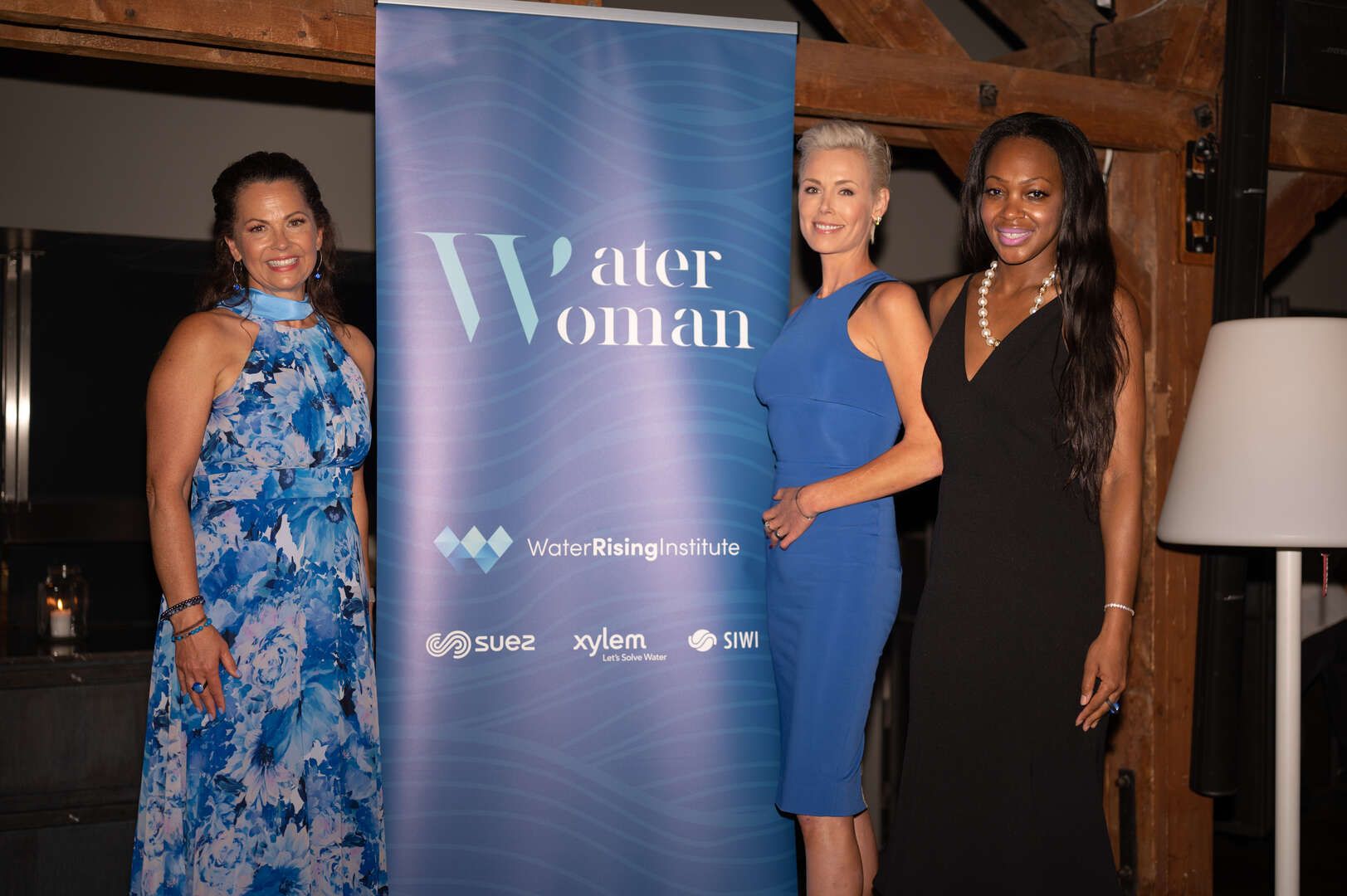
WaterWoman Project Launch Event
WaterRising Institute / UN Water
2022
Vertical
Geography
Media Type(s)
Tags
Credits
The brief
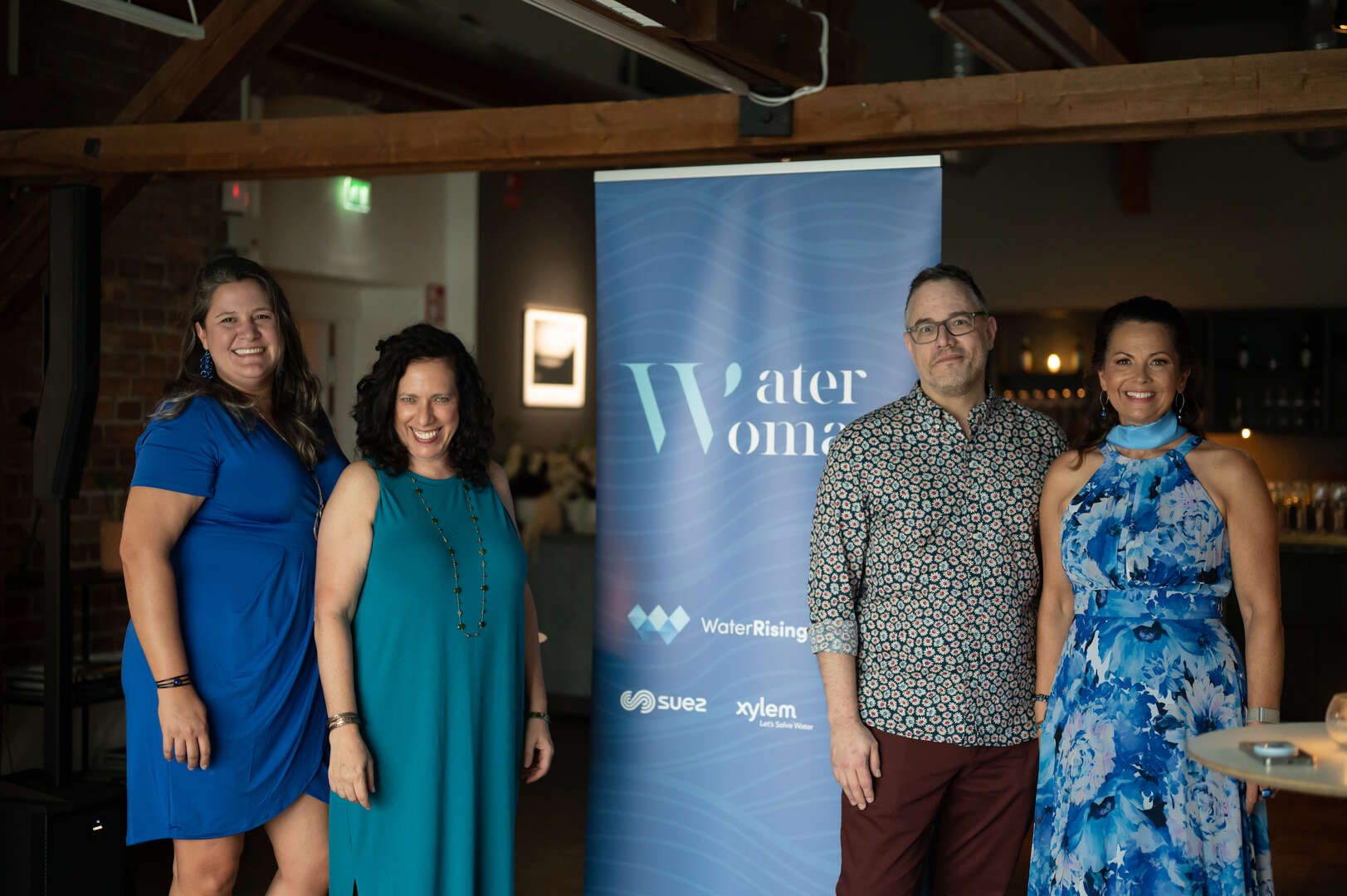
WaterRising Institute was launching the WaterWoman Project, a global call-to-action on the gender gap in water management. The director wanted a high-profile splash to announce it, anchored at Stockholm Water Week, in front of the people who could move the work forward: UN Water, UN Women, the World Bank, Xylem leadership, and the working network of women across the global water sector who would carry the program after we all went home.
The plan stayed loose nearly all the way through. The guest list shifted in the final week. Pre-production happened from the US for an event seven time zones away. And the venue changed at the last minute.
I co-produced the night alongside a WaterRising colleague, working both ends of the planning timeline.
The choices
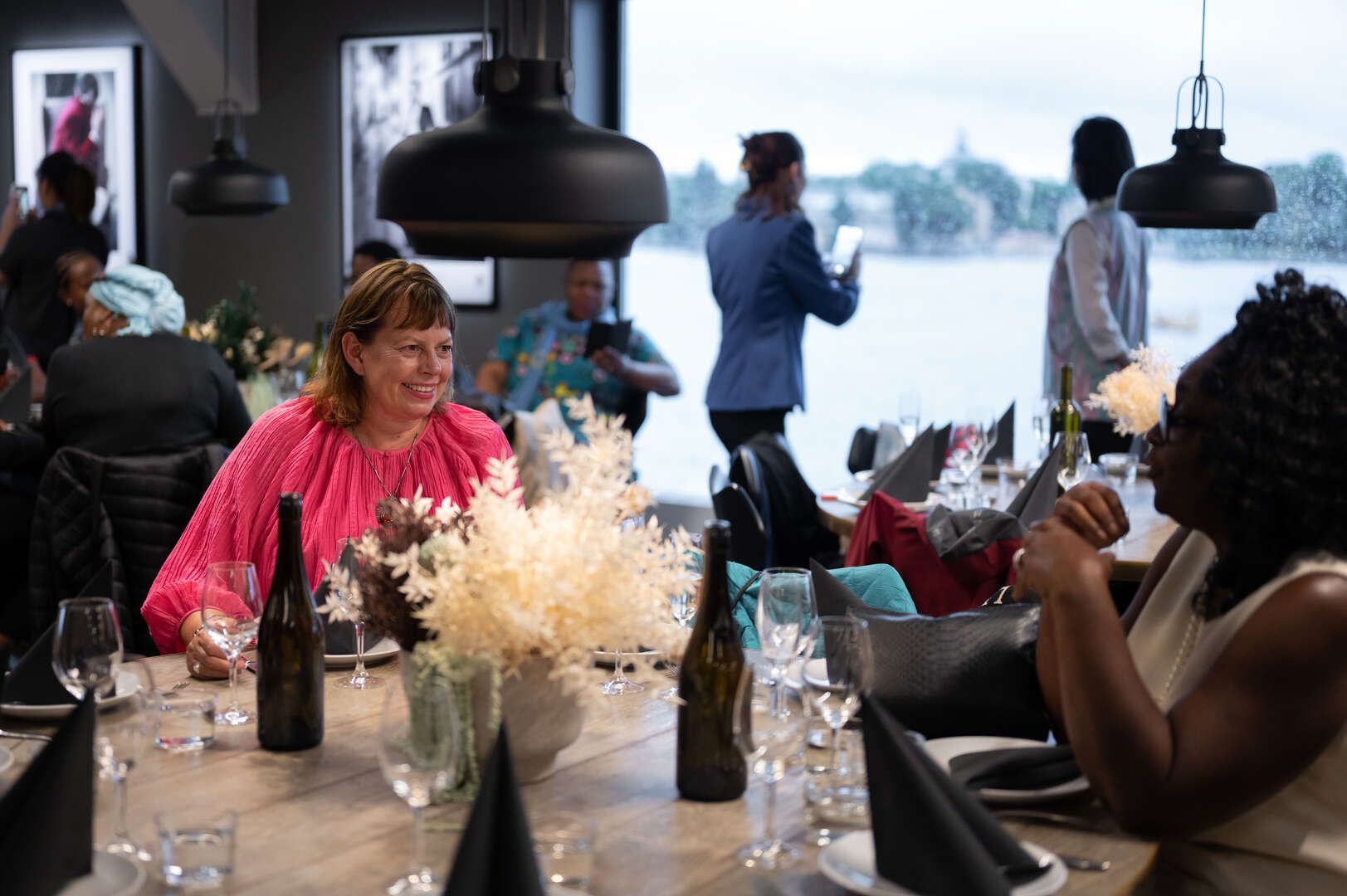
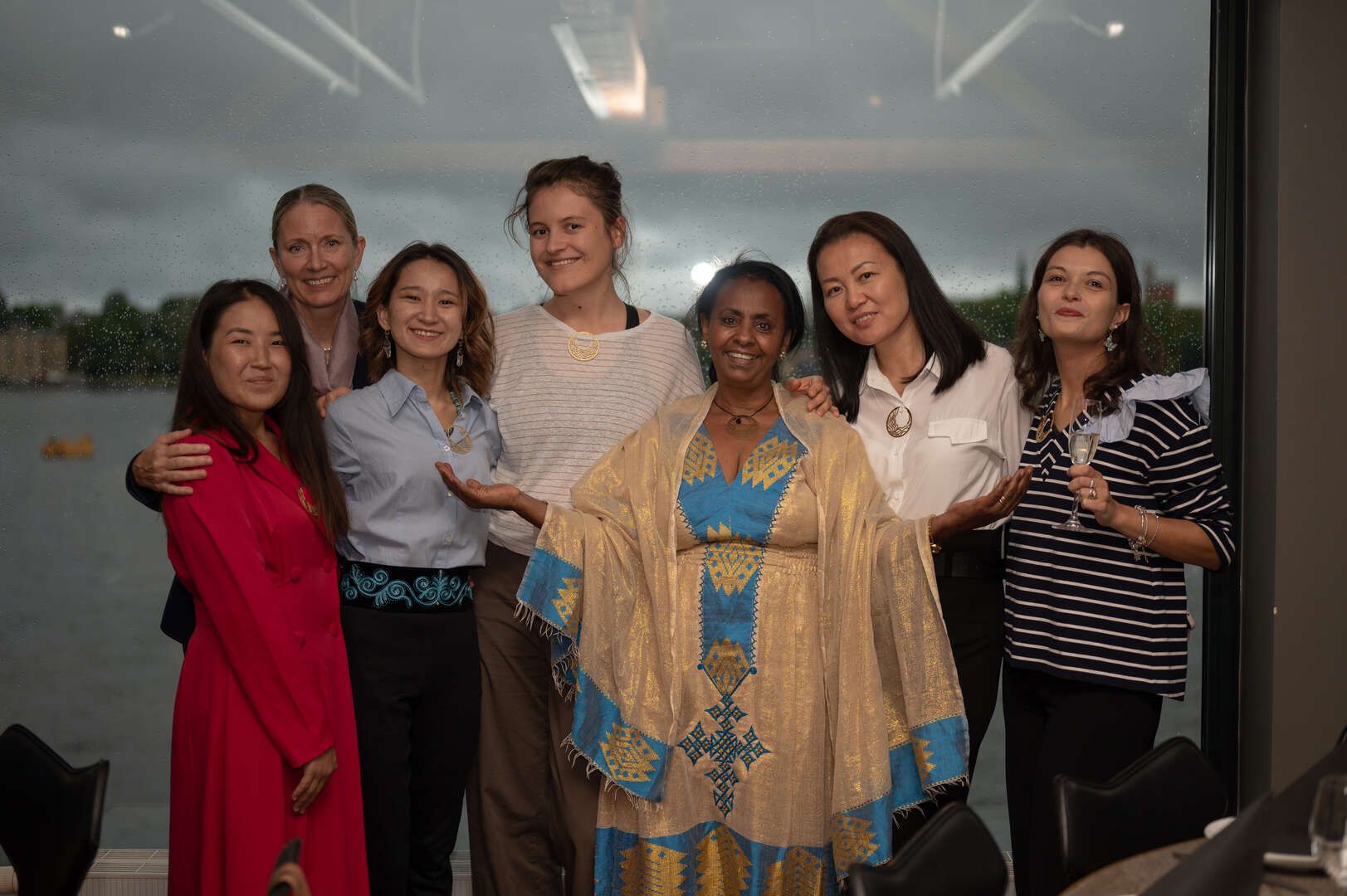
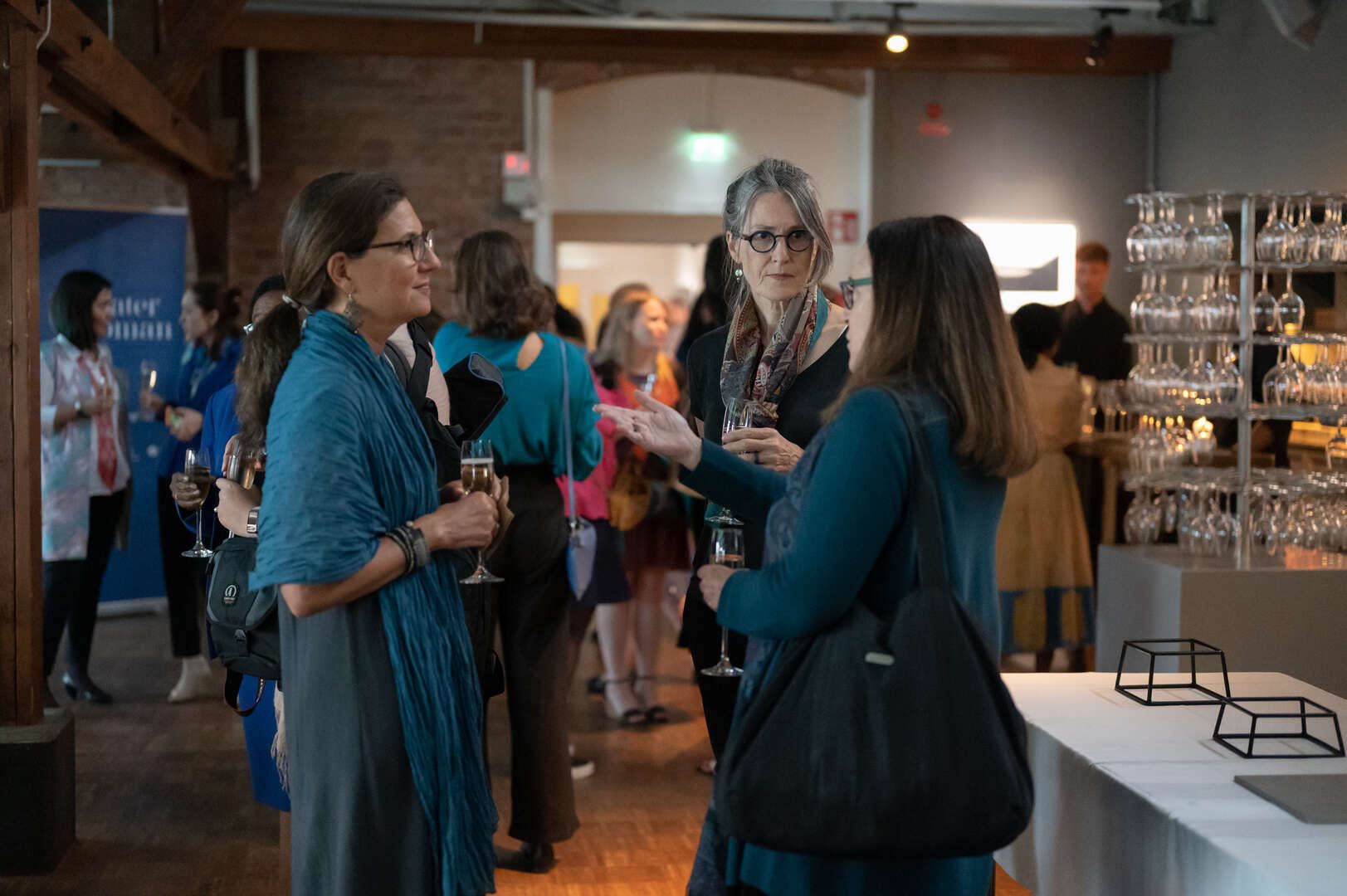
Fotografiska, on the bank of the Söderström. Stockholm during Water Week is a city where every venue is double-booked and every senior leader is over-scheduled. We needed somewhere off the main Water Week campus, a deliberate break from the conference grind, that could absorb 300 guests and didn't look like a hotel ballroom. Fotografiska delivered three things at once: a serious gallery setting, a wall of windows opening onto the water, and a price we could actually afford.
Sopköket for the food. Sopköket is a Stockholm caterer that rescues surplus food, employs people working back into the labor force, and donates meals. For a sustainability-rooted launch about women in water, putting them on the program wasn't a hard call. Optics and budget aligned.
The night
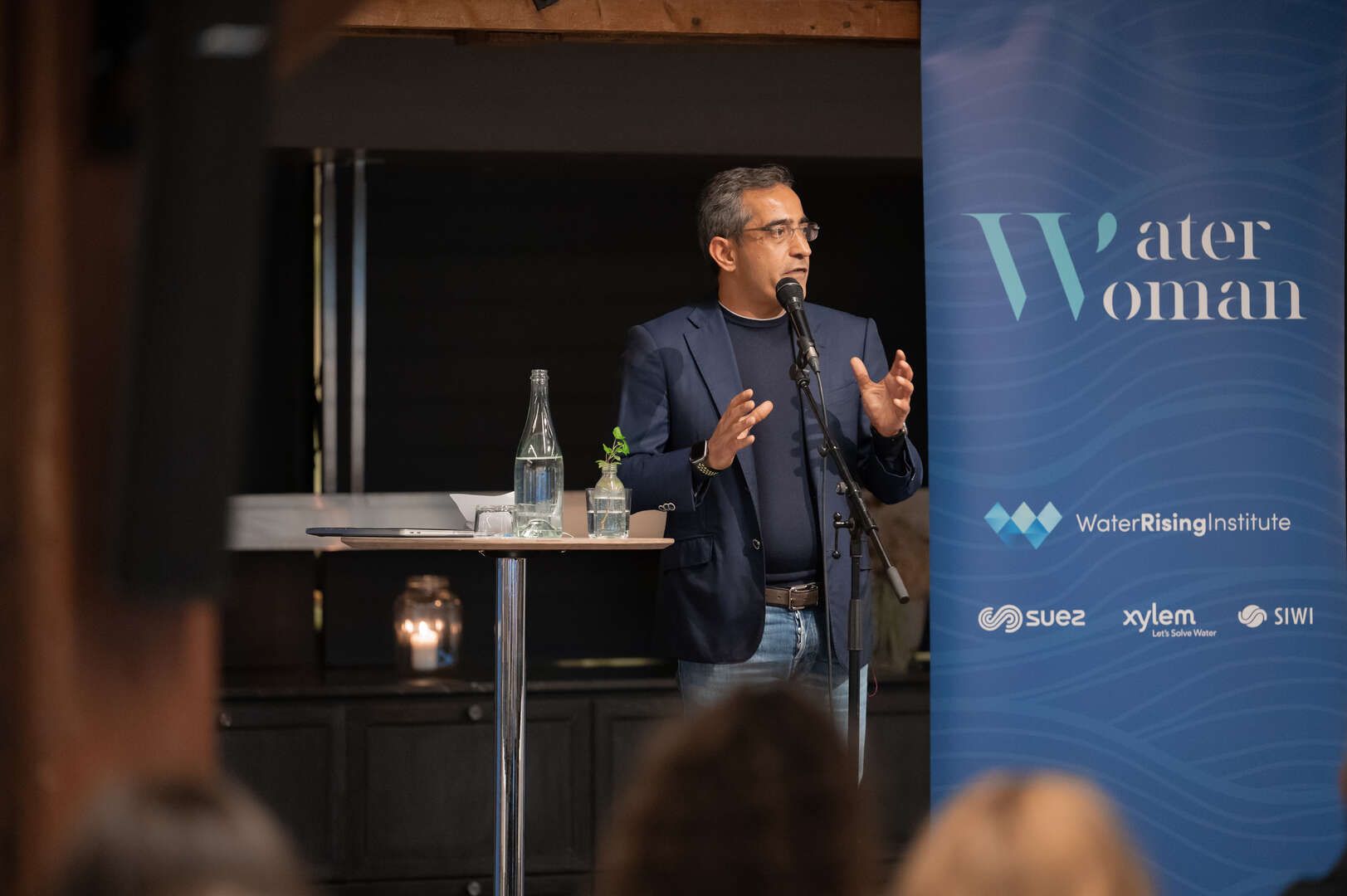
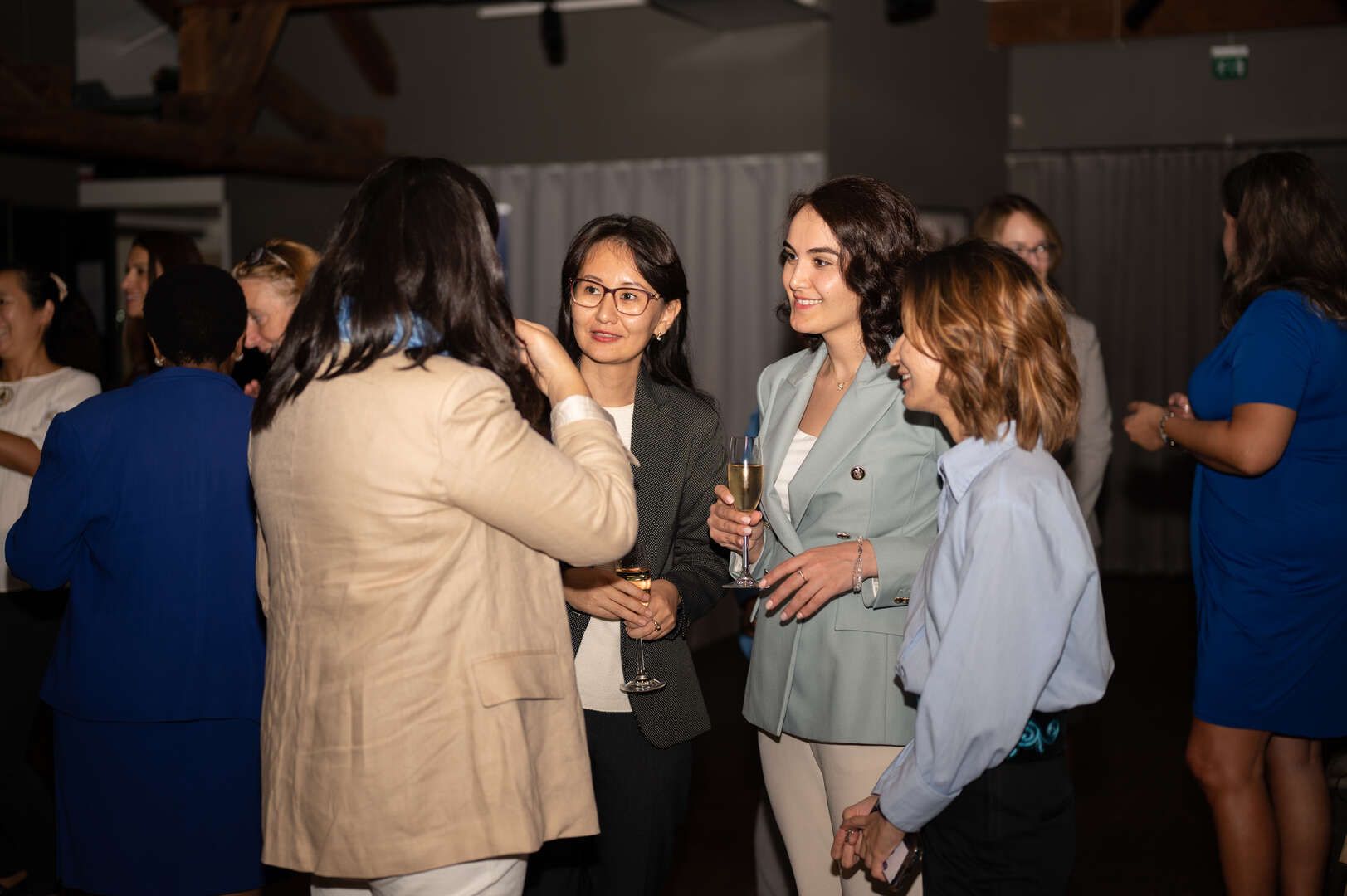
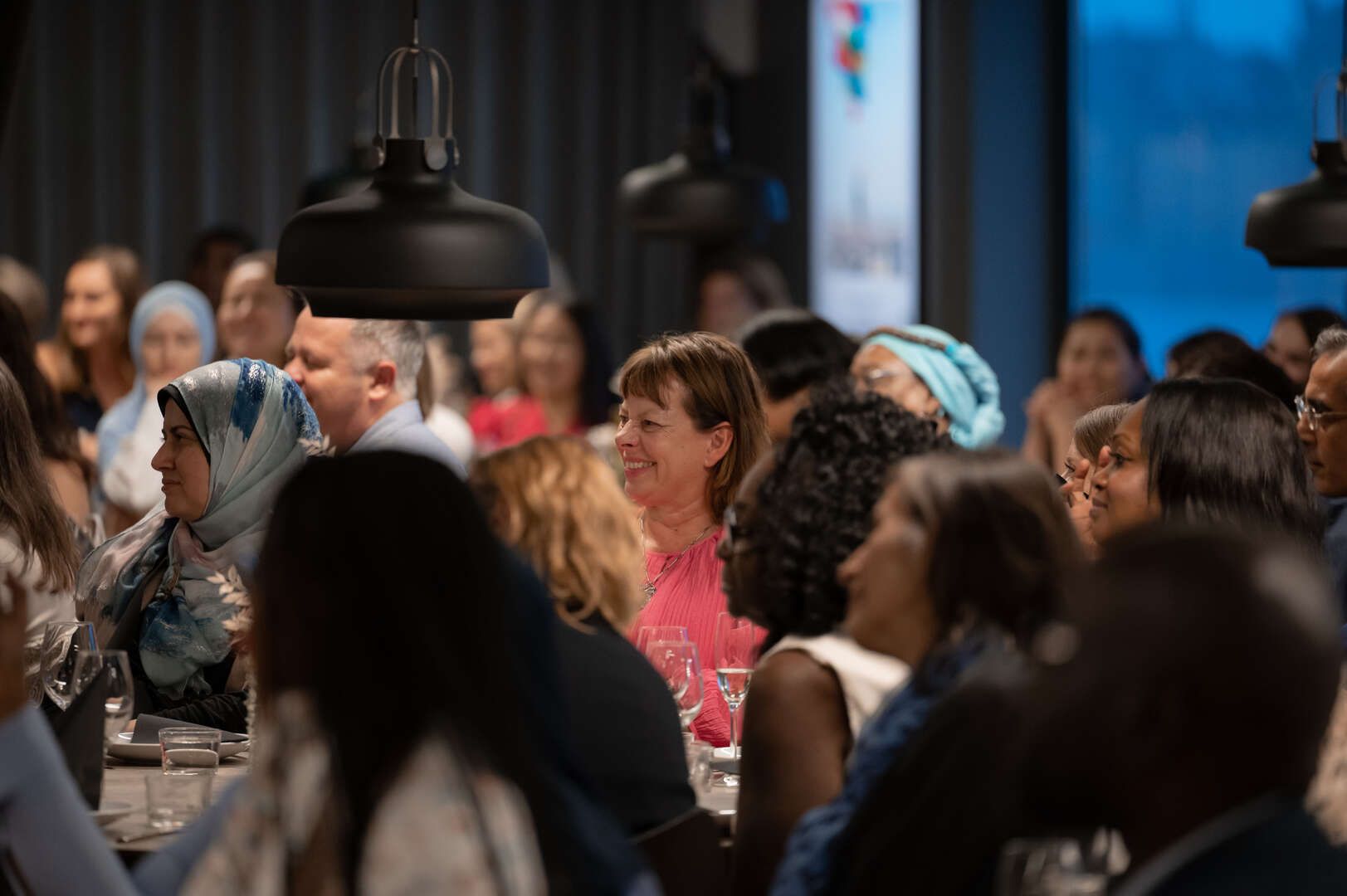
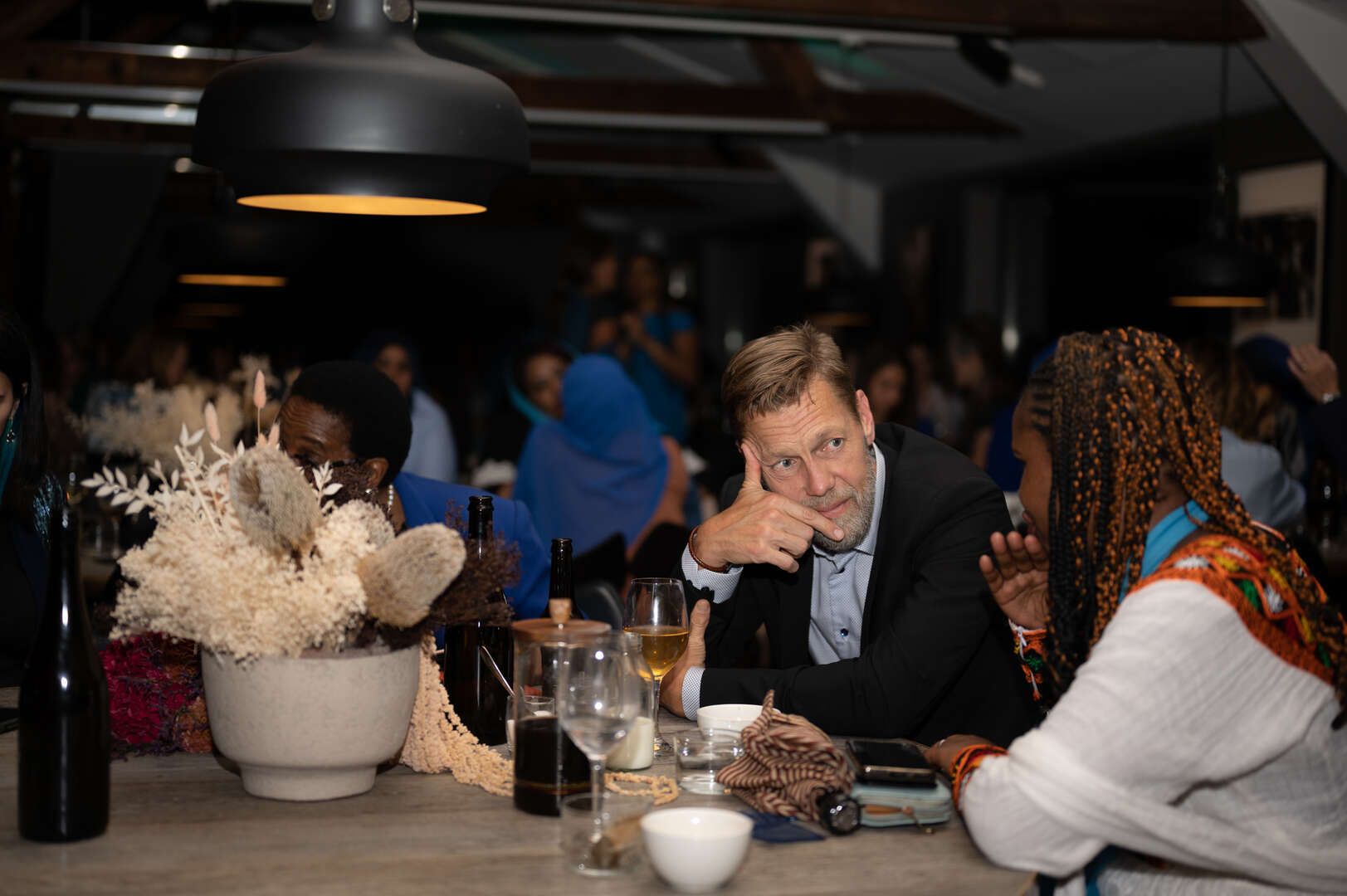
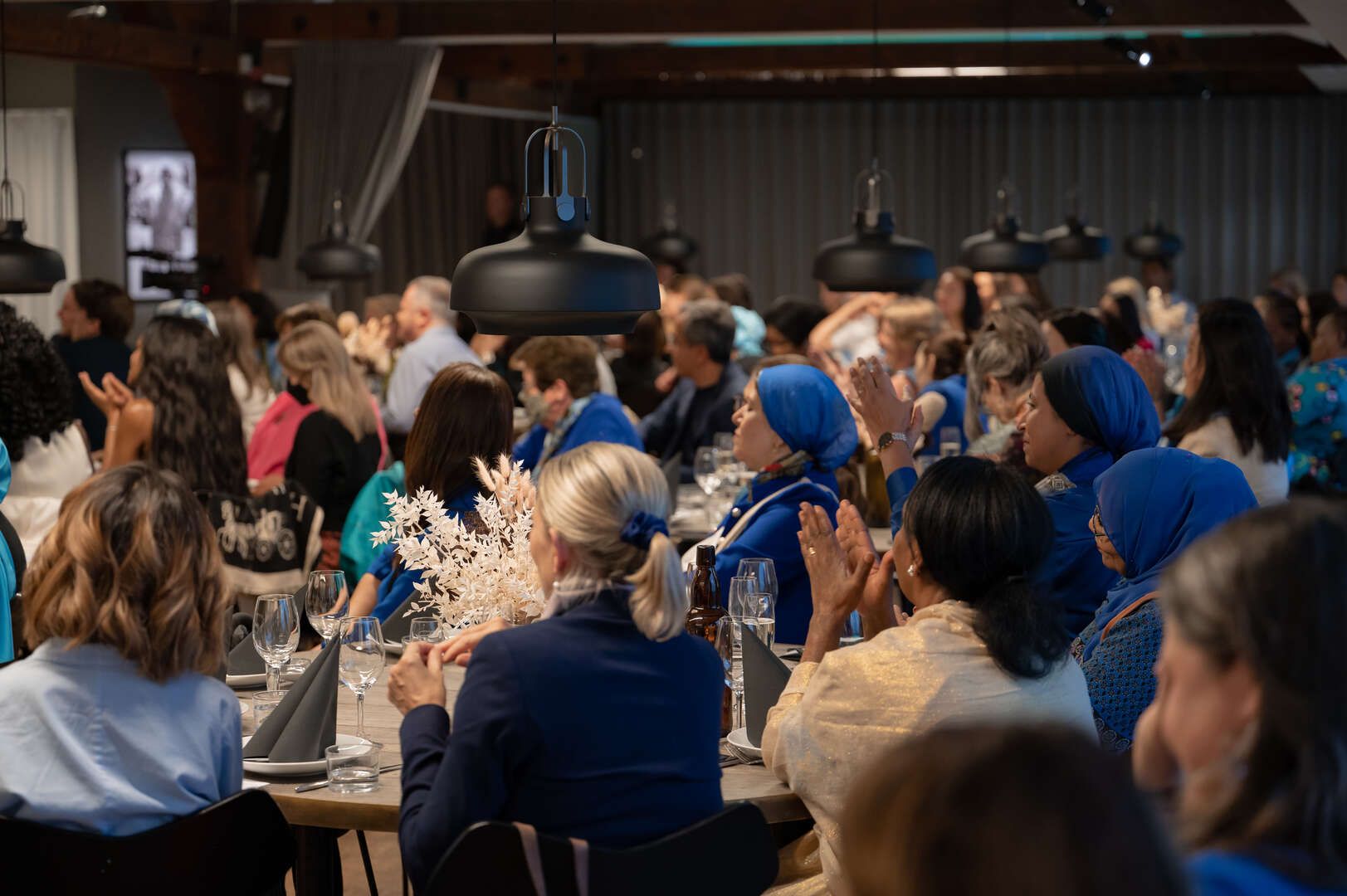
Cocktails, presentation, buffet dinner. About 300 people. The presentation was anchored by three voices: the WaterRising director, the Xylem CEO, and a representative from the World Bank, speaking from the institutional, private-sector, and multilateral-finance corners of the water world. The call to action was the WaterWoman Project itself.
The hard part
Three things at once. A sponsor and stakeholder stack that included multilateral institutions, public companies, and a UN convening body, none of whom move quickly. Pre-production running from the US, with the team only on the ground in Stockholm in the final stretch. And a last-minute venue change that required chartering buses to move large numbers of attendees smoothly to the new location, on short notice, in a city full of conference traffic.
Show me a producer who has never had to suddenly book buses in a foreign city and I'll show you a producer who has never run an international launch.
What it did
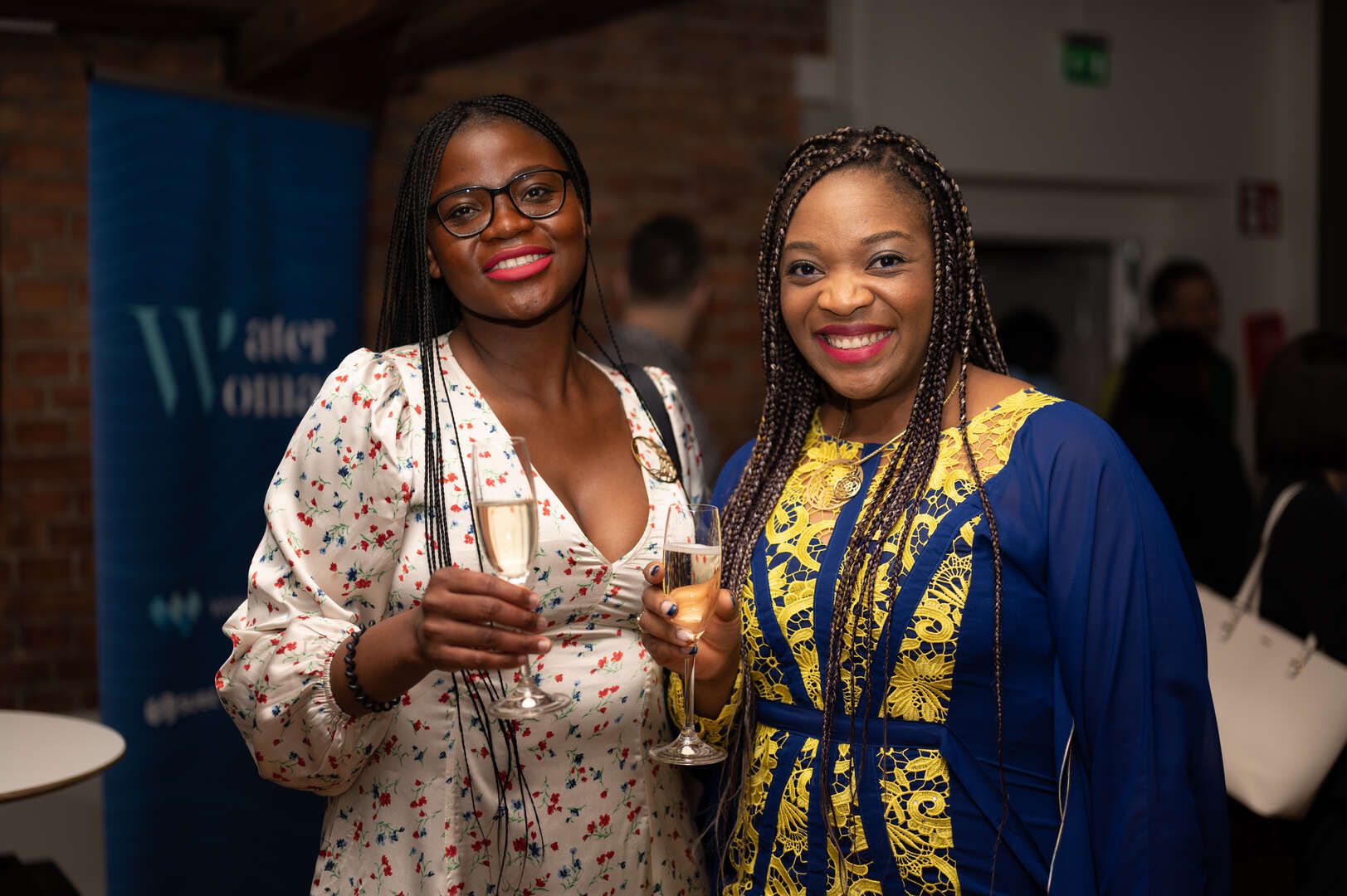
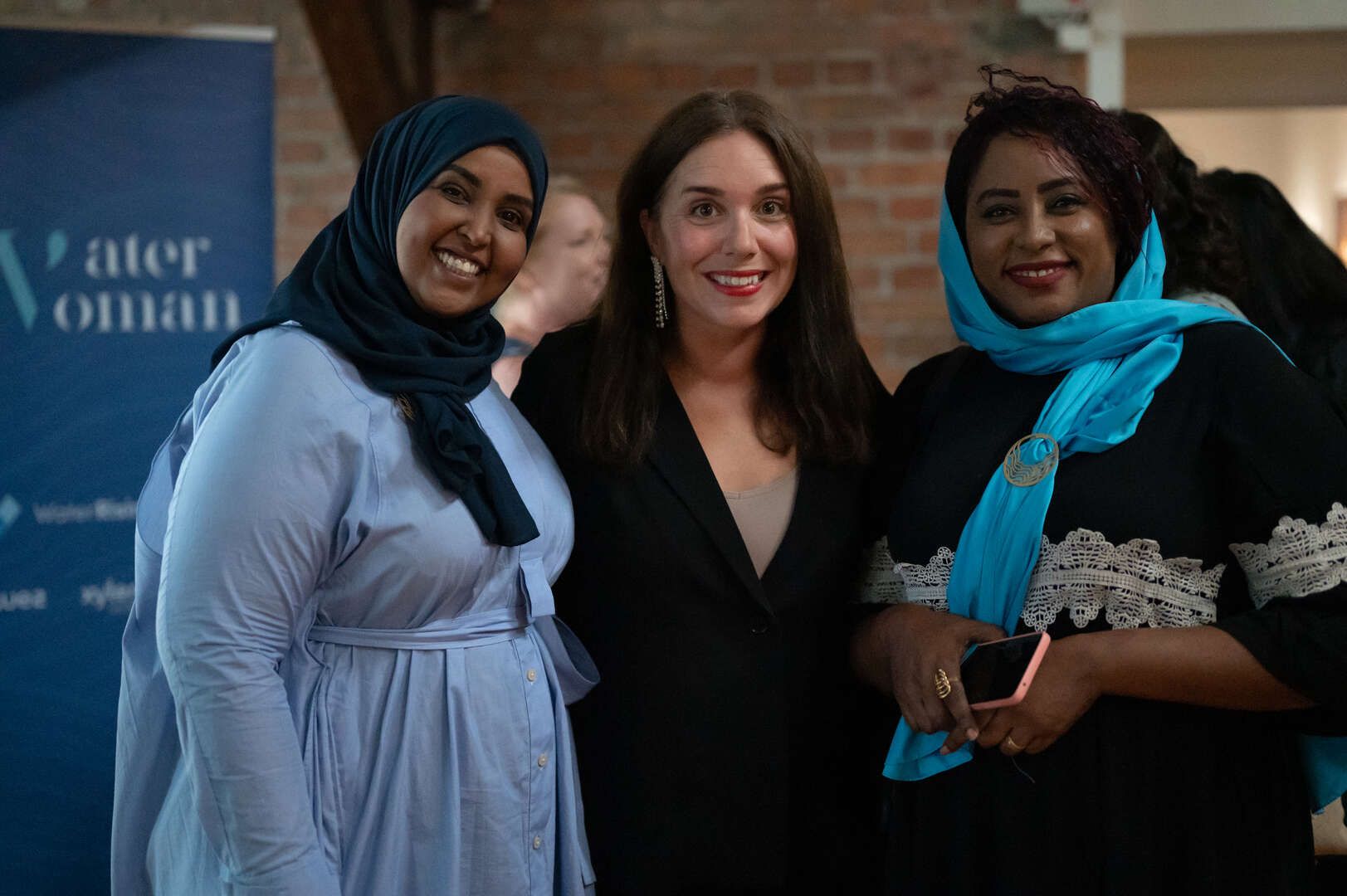
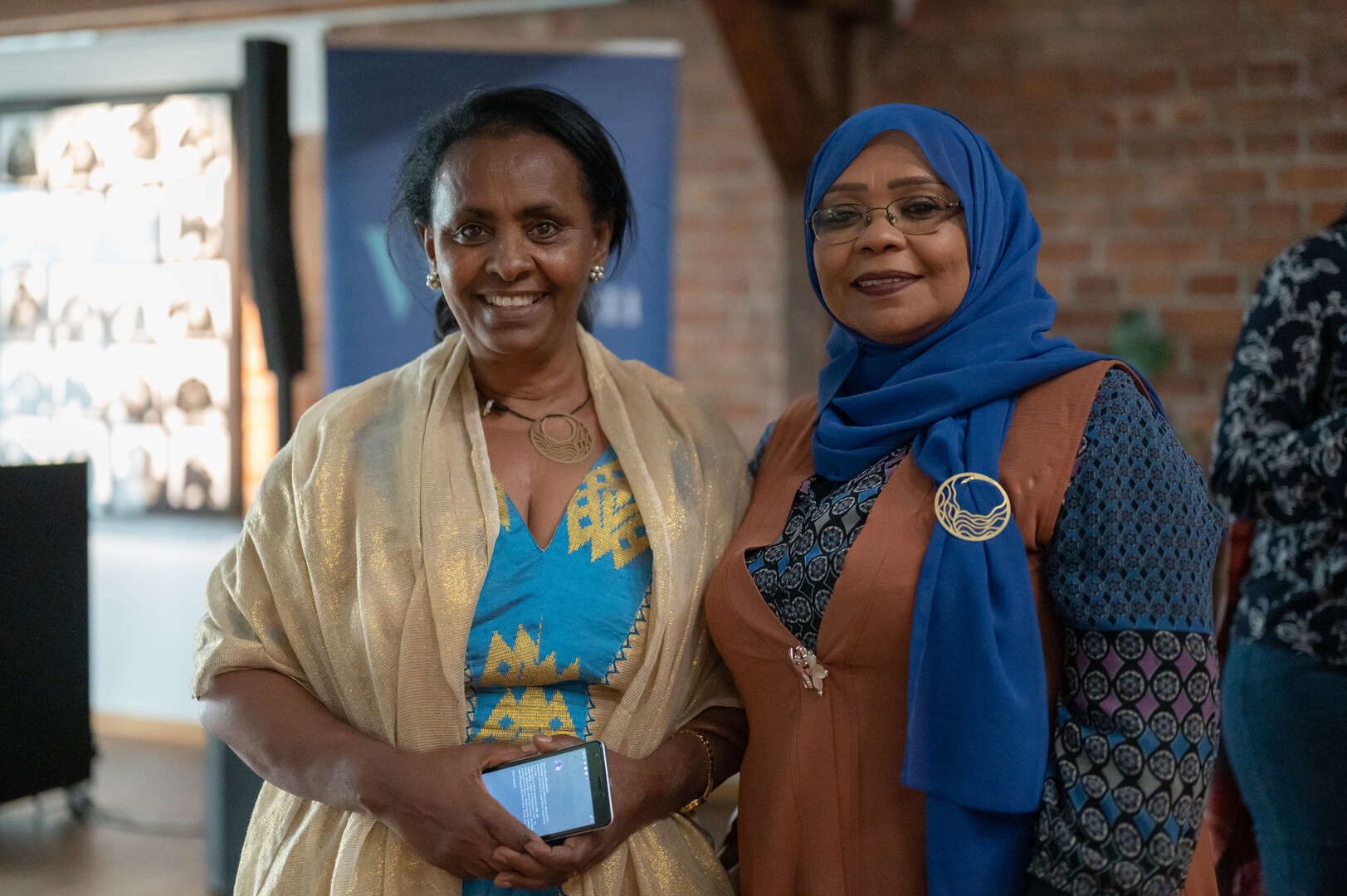
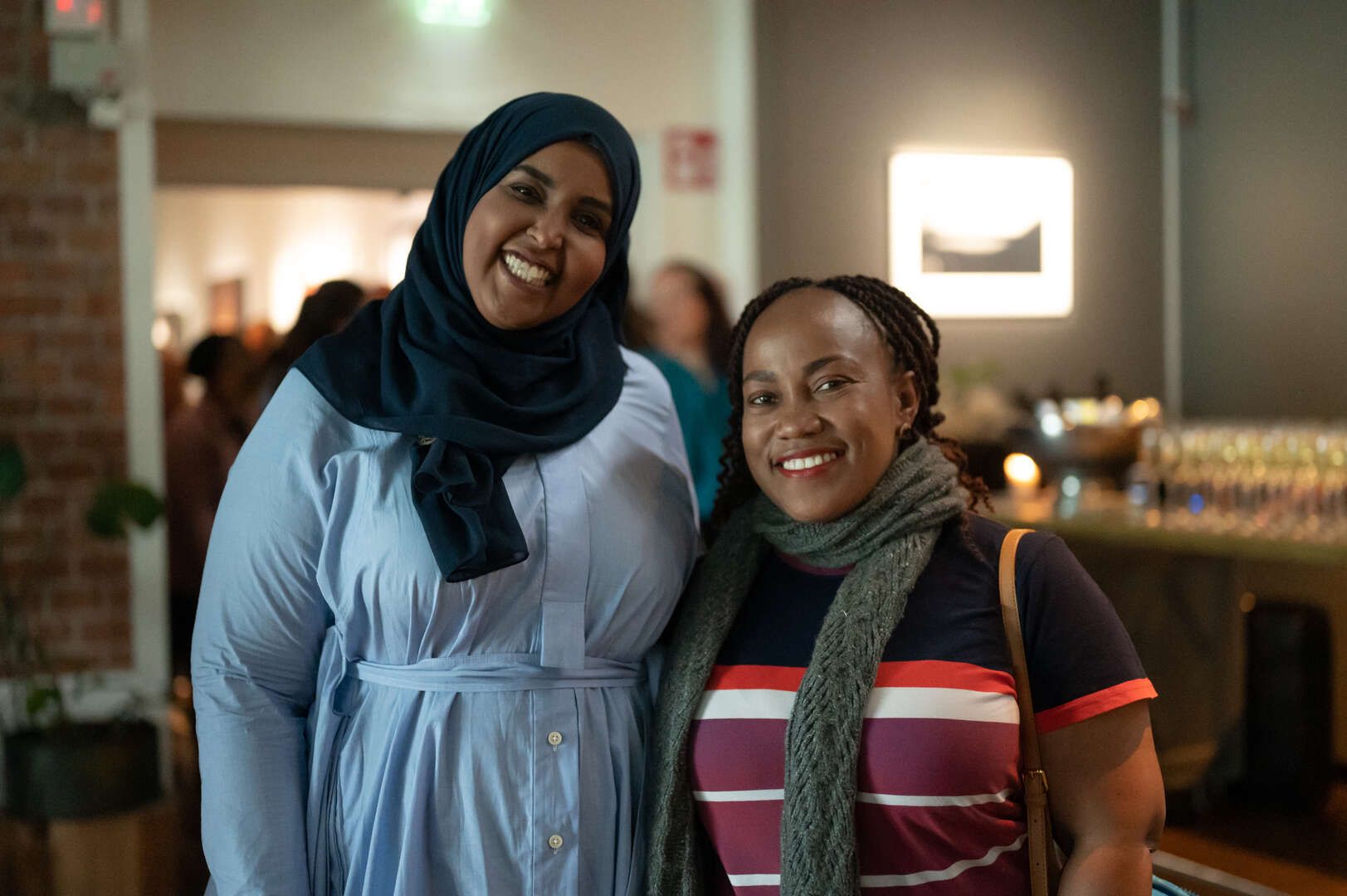
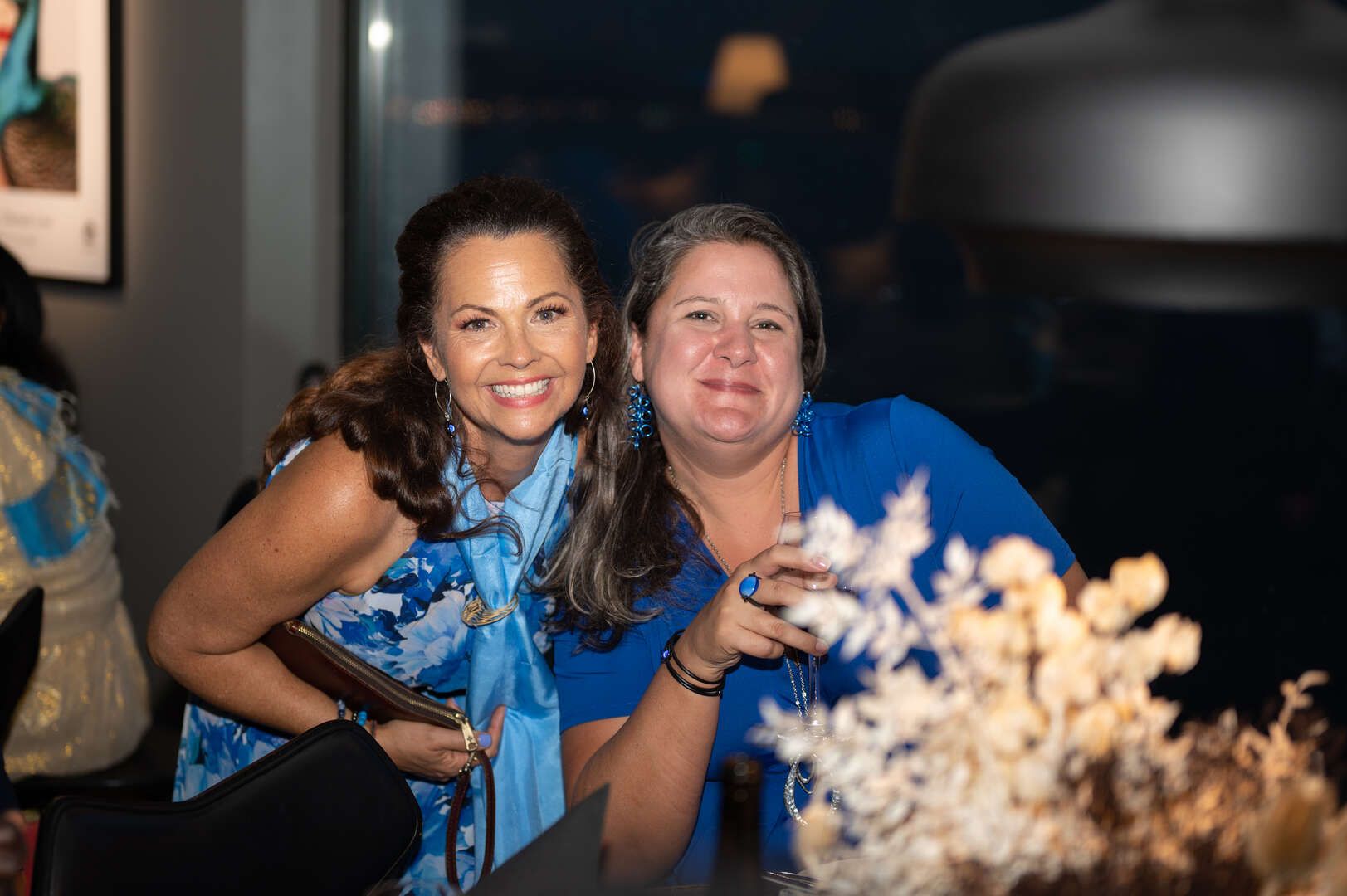
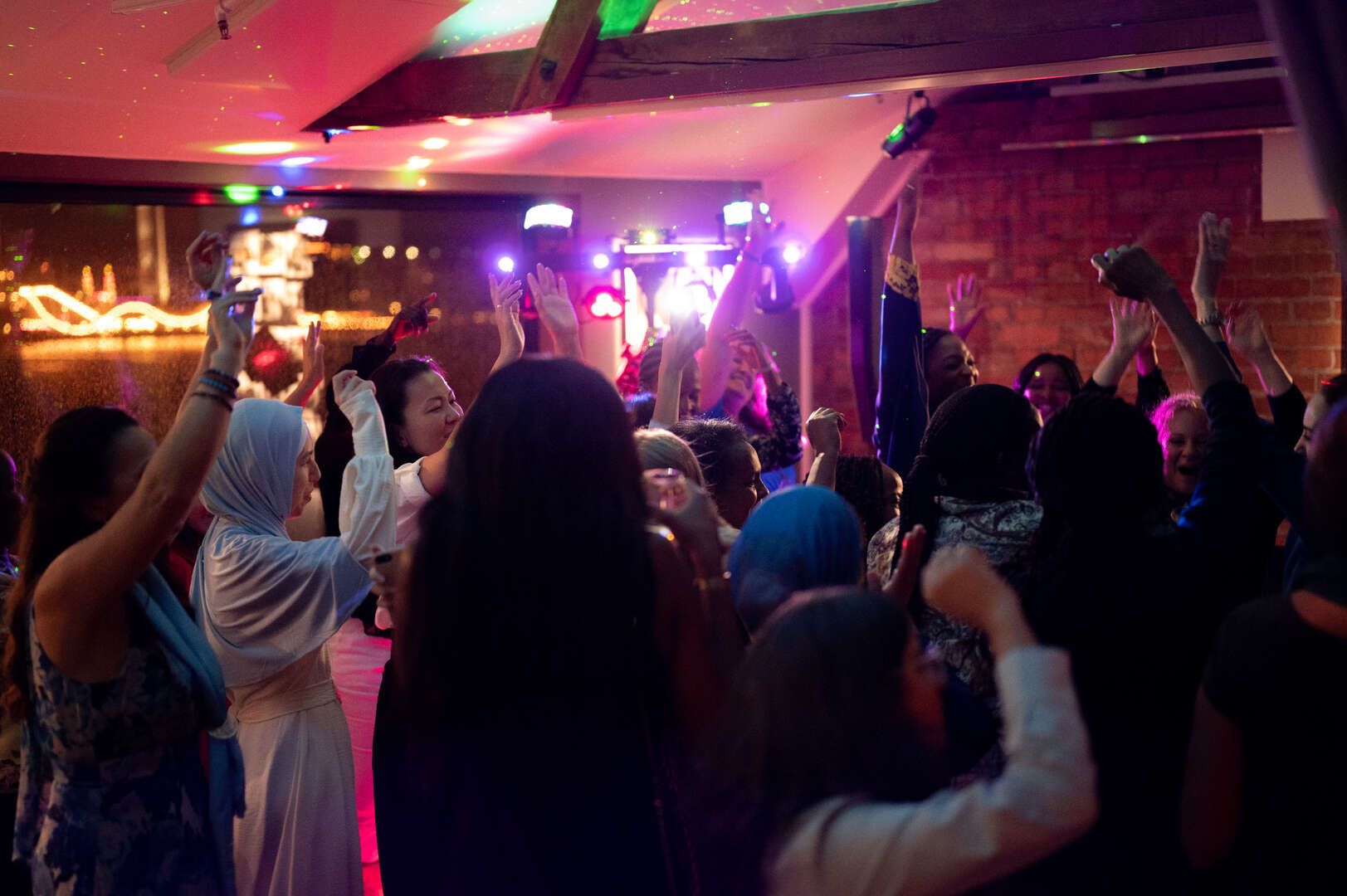
The honest answer: it raised the org's visibility internationally and put the WaterWoman Project on the global water sector's radar in a single night. And, possibly more important than any of that, it created a few hours where women working in water across the world, who normally only see each other inside formal meetings and breakout sessions, could actually take a breath, eat, and talk to each other. Conferences don't usually leave room for that. We made room.